
Burial at Sea – Ash Sattering – Questions
When ever it comes up in conversation that we have a burial at sea – ash scattering business there are always many questions. Is it legal? Do people get sea sick? Are there certain locations to scatter? Can you place complete bodies in the ocean?
This page will answer these questions and some of the other more common questions which we receive. If you have a question that is not answered, please do give us a call. Click on the question you have.
Probably the most common question that we receive. Of course it is legal or we would not have a business that offers this service. The following it taken from the California Funeral board website, it states that is is legal to;
Scatter at sea, at least 500 yards from shore. This also includes inland navigable waters, except for lakes and streams.
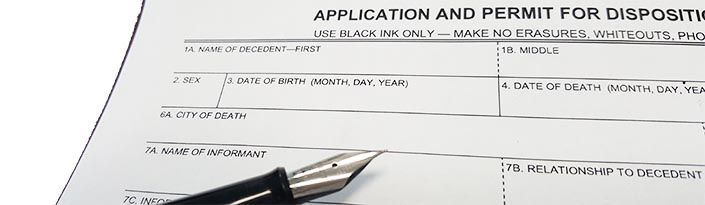
In order to scatter cremains at sea a permit is required, specifically Permit for a Disposition of Human Remains (Disposition Permit / Burial Permit). It may be obtained at the Office for Vistal Statistics in each county.
In order to obtain the permit an existing permit or certified death certificate is required. You may obtain this permit youself but most of our families let us obtains it for them. The cost of this standard service is $60.
Yes, we can scatter just about anywhere you wish providing that the area you are selection does not pose a navigational hazard to the vessel and we are at least 500 years from shore. Burial at sea charters are generally a couple hours in duration, but can be extended for burial at sea locations further away.
If there is a specific location you have in mind, please make arrangements with us when scheduling the charter as in order to reach you location additional time may be required.
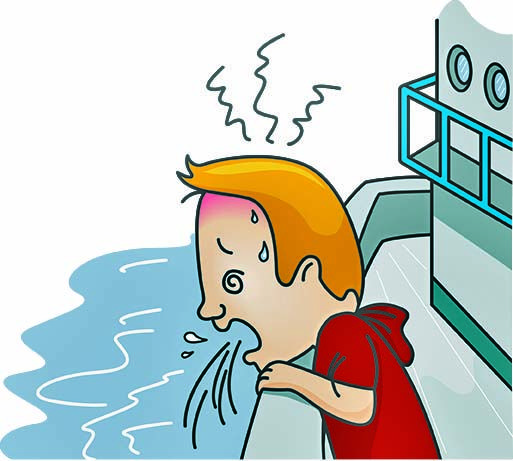
If you are not prone to getting sea sick – count your blessings. If you have been sea sick, it is not an experience that you will be anxious to repeat. If you are susceptible – and you know who you are – take some precautions, both for yourself and your fellow charter passengers.
That being said, it is not that common for passengers to have a hard time. Our yachts have a tendency to be larger and more stable. As well, most of the time the yacht is in pretected water of the harbor when waters are much calmer.
Bad weather is seldom an issue in Southern California and that is one of the reasons that many of us choose to live here. In the years we have been performing sea burials, we have only had to cancel or postpone charter a handful of times.
Most the our yachts are completely enclosed which will keep the rain off you.The ocean may be a bit rough at times, but since yachts are only in the open ocean for a limited time it is generally not an issue. At some locations such as San Diego and Long Beach it is even possible to scatter within the confines of the harbor, eliminating the need for an ocean visit if required.
Having clergy on-board is totally the decision of the family. Most family decide not to and opt for a more informal gathering.
If you do wish clergy, perhaps there is someone you have in mind. If not we can assist with scheduling the clergy. We have contacts with people of several different denominations. Clergy honorarium for the usual sea burial is between $200 – $300
The short answer is probably, hoever it really depends of the specific boat you are one. The small boat will often allow you to being some small items of food and a bit of alcohol. the larger yachts usually hvae a liquor license and set catering options. Each yacht will have a different catering menu, so please let us know if you are interested.
This is a very interesting question. You may be surprised to learn that on the vast majority of sea burials the mood is very uplifted. I think there are probably three reason for this;
- If has generally been at least a few days since the passing and could have been weeks, months or even years. On one sea burial we did the cremains have been sitting in the closet for 30 years.
- Being on the ocean is so serene and beautiful. It just lends itself to a much more uplifted spirit.
- There is no body present and no casket. Both of these tend to create a more somber atmosphere.